


The quick answer
- How it protects: excess moisture causes musty closet odors, curled book pages, sticky drawers and mildew on leather. A dehumidifier maintains balanced humidity so fabrics, paper, and stored items stay in pristine condition.
- Key problem areas: walk-in closets, basements, under-stairs storage, finished attics, and seasonal storage bins.
- Setup: run the unit in the bedroom or storage room with closet doors slightly open; never trap an electric dehumidifier inside a tightly sealed closet.
- Non-electric alternative: for sealed cabinets, pantries or small closets without power, use an Osmo® moisture absorber.
- See simple setup steps.

Shop dehumidifiers for home and storage
If you’ve ever opened a bedroom closet and noticed a stale, musty smell, discovered favorite books with warped, wavy pages, or pulled out winter jackets that feel clammy to the touch, excess indoor humidity is quietly at work. A dehumidifier is not just for fixing damp basements after heavy rain—it is a simple, effective everyday tool to keep your home smelling clean and ensure the belongings you value stay in pristine condition for years to come.
1Why humidity affects clothes, books and storage
Moisture does not only originate from outdoor weather. Normal daily life—cooking, showers, dishwashers, breathing, and drying laundry indoors—releases quarts of water vapor into the air every day, which concentrates in enclosed storage spaces.
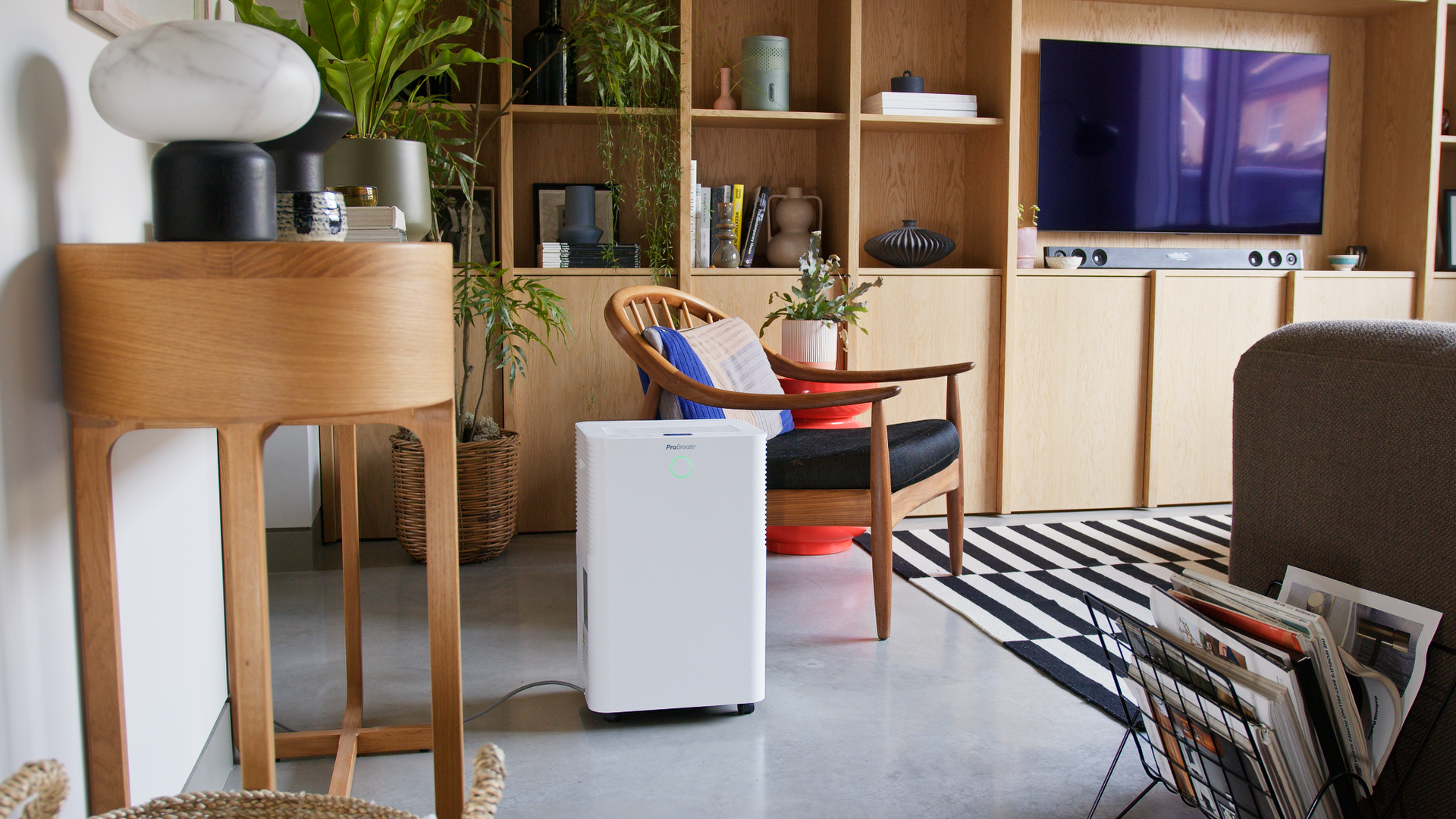
Water vapor naturally drifts into cool areas with restricted ventilation. Soft materials (such as wool, cotton and upholstery) and porous paper materials (books, cardboard boxes and photo albums) act like sponges, absorbing ambient water vapor over time. In enclosed spaces like walk-in closets, under-stairs cupboards, pantries and basements, this absorbed moisture creates the perfect environment for mildew growth and musty odors.
2Signs your belongings are feeling excess humidity
You do not need visible water stains or black mold patches to know humidity is too high. Look for these subtle everyday warning signs:
- Closets, wardrobes or dresser drawers that smell stale or musty
- Fabrics that feel cool, clammy or never completely dry
- Leather shoes, jackets or handbags developing white haze or mildew odors
- Books, magazines or important paperwork with wavy, curled or sticking pages
- Cardboard storage boxes that feel soft or flimsy to the touch
- Spare bedrooms or storage rooms that feel heavy and stuffy when closed up
If any of these signs sound familiar, running a dehumidifier stabilizes relative humidity around 45%–50%, ensuring storage areas remain dry and possessions stay well preserved.
35 key benefits for protecting your belongings
From fine wool coats to treasured family photo albums, balanced humidity protects every corner of your home.
1. Fresher closets and better-feeling clothes
Closets suffer from poor airflow and packed fabrics. A dehumidifier lowers moisture across the bedroom, leaving coats, linens and garments smelling fresh and free from stale, locked-in closet odor.
2. Protecting books, documents and photos
Paper readily absorbs water vapor, leading to page warping and ink deterioration. Maintaining 45%–50% relative humidity keeps book collections, tax files and family photos crisp and flat.
3. Supporting soft furnishings and upholstery
Rugs, sofas, throw pillows and mattress toppers trap humidity and household odors. Lowering ambient moisture makes living spaces feel lighter and eliminates stale, stuffy air.
4. Drier storage for seasonal gear and bins
Basements and storage closets often suffer from dampness. A dehumidifier protects seasonal coats, luggage, holiday decorations, and camping gear from mildew damage while in storage.
5. Safe environment for instruments and electronics
Guitars, woodwind instruments, cameras, lenses and gaming consoles require stable indoor humidity to prevent wood warping, internal rust and optical lens fungus. A dehumidifier keeps air balanced year-round.
4How to use a dehumidifier for storage
Effective moisture protection requires simple, consistent habits rather than complicated routines. Follow this straightforward setup.
- Place in the room: position the dehumidifier in the room where your storage is located (bedroom, basement, spare room or hallway).
- Keep exterior windows closed: running a dehumidifier with windows open draws in endless outdoor moisture.
- Ensure proper airflow: keep at least 8 to 12 inches of clear clearance around the intake grilles.
- Run during humid periods: use automatically after cooking, hot showers, or during humid rainy weather.
- Use continuous drainage in basements: connect a gravity drain hose straight to a floor drain or sump pit for effortless, continuous moisture control.
5Placement tips: what to do and what to avoid
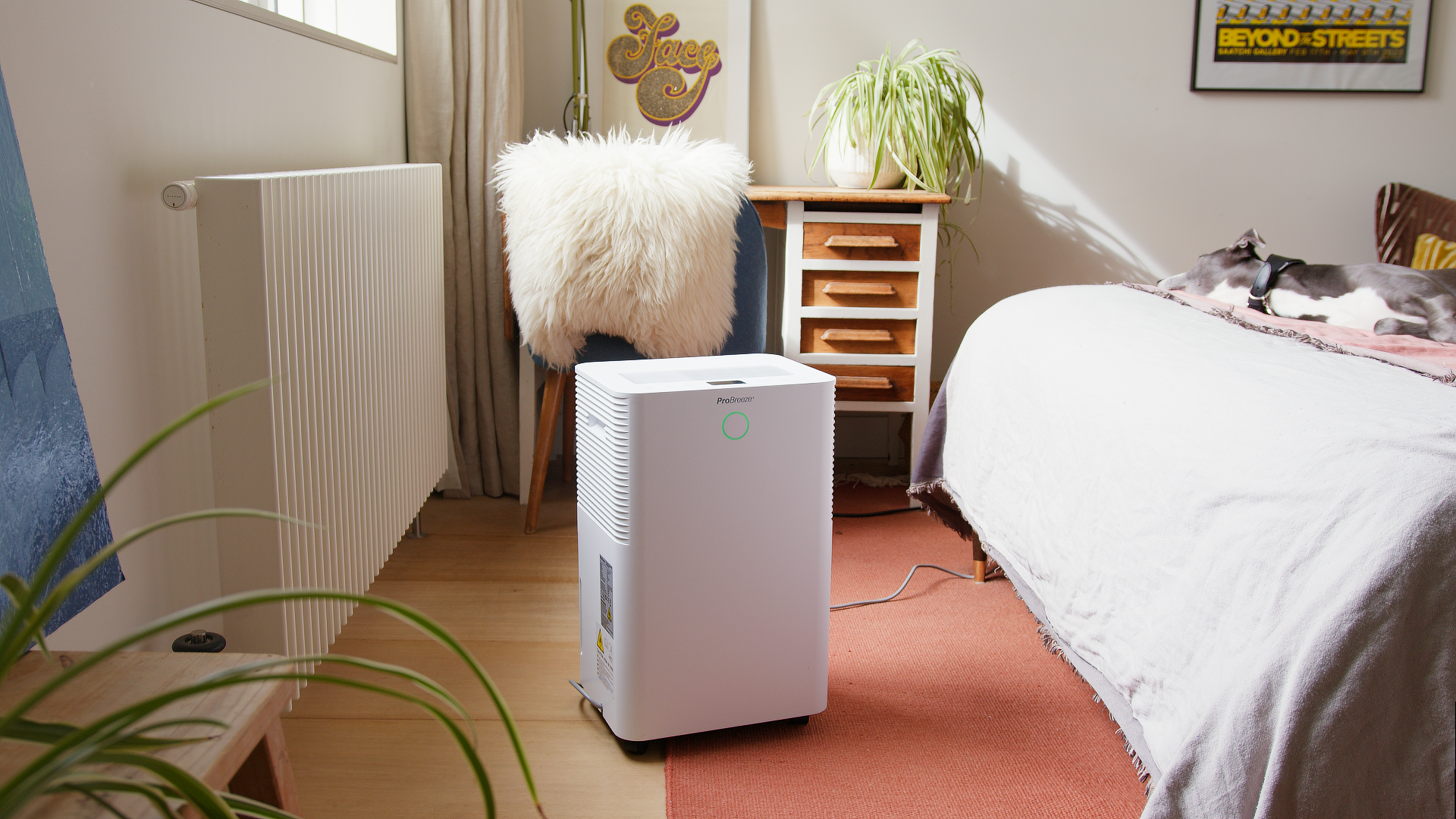
- Place the unit in the main room and leave closet doors slightly ajar to let air circulate
- Aim the dry air exhaust toward storage areas to promote gentle air turnover
- Keep bedroom doors open if you want a single unit to help condition hallway closets
- Never place an electric dehumidifier inside a tiny, closed closet without airflow
- Never push the unit flush against walls or furniture where intake grilles are blocked
- Don’t leave exterior windows cracked open while dehumidifying
6Recommended Pro Breeze picks
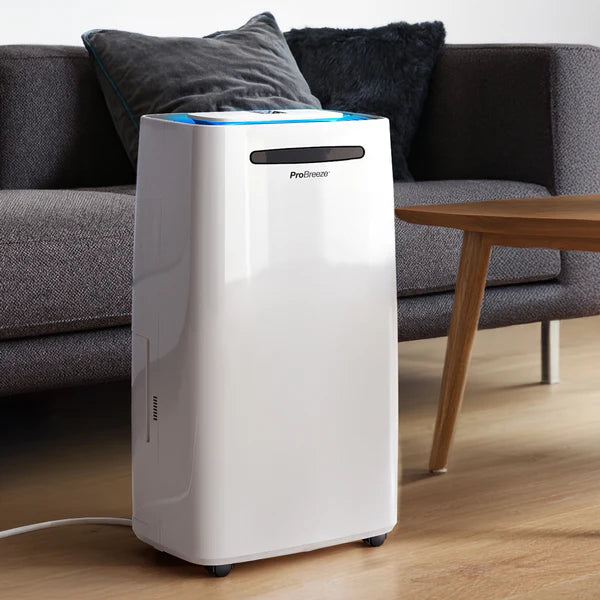
For large storage basements, our 50 Pint/Day Dehumidifier delivers high-capacity moisture removal up to 2,000 sq ft. For bedrooms and walk-in dressing rooms, our compact mini dehumidifiers offer whisper-quiet protection.

For sealed closets or cabinets without power outlets, pair your electric unit with an Osmo® 2.3 pt Moisture Absorber for silent, non-electric moisture trapping.
7Frequently asked questions
Will a dehumidifier stop mold on clothes and shoes?
Yes. Mold and mildew require relative humidity levels above 55%–60% to germinate. By maintaining indoor humidity between 45% and 50%, a dehumidifier eliminates the moisture conditions mold needs to grow.
Can I put a dehumidifier inside my closet?
For electric dehumidifiers, it is best to place the unit in the bedroom or dressing area with closet doors cracked open, ensuring proper airflow around the intake grilles. For small, enclosed closets without power outlets, use an Osmo® non-electric moisture absorber.
What is the best room to start with?
Start where you store your most valuable items: primary bedroom walk-in closets, finished basements with storage bins, or home offices containing books and electronics.
A dehumidifier removes excess moisture from the air, supporting fresher closets, drier storage spaces, and a home that feels cleaner and more comfortable. Explore our complete dehumidifiers collection to protect your home and belongings, or read our in-depth guide on what is a dehumidifier and how it works.


